Drumstick Testing Feedback & Engineering Optimization
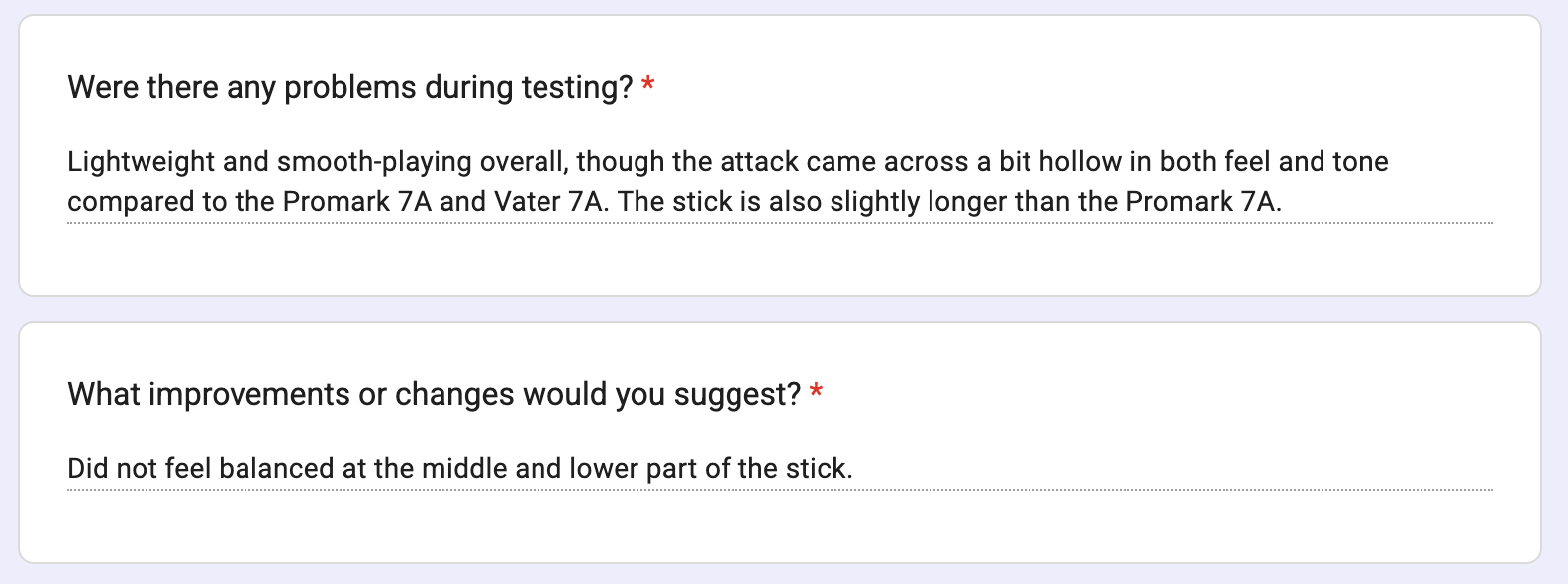
In recent professional testing feedback from drummers, maple drumsticks were evaluated in comparison with standard industry references such as Promark 7A and Vater 7A models.
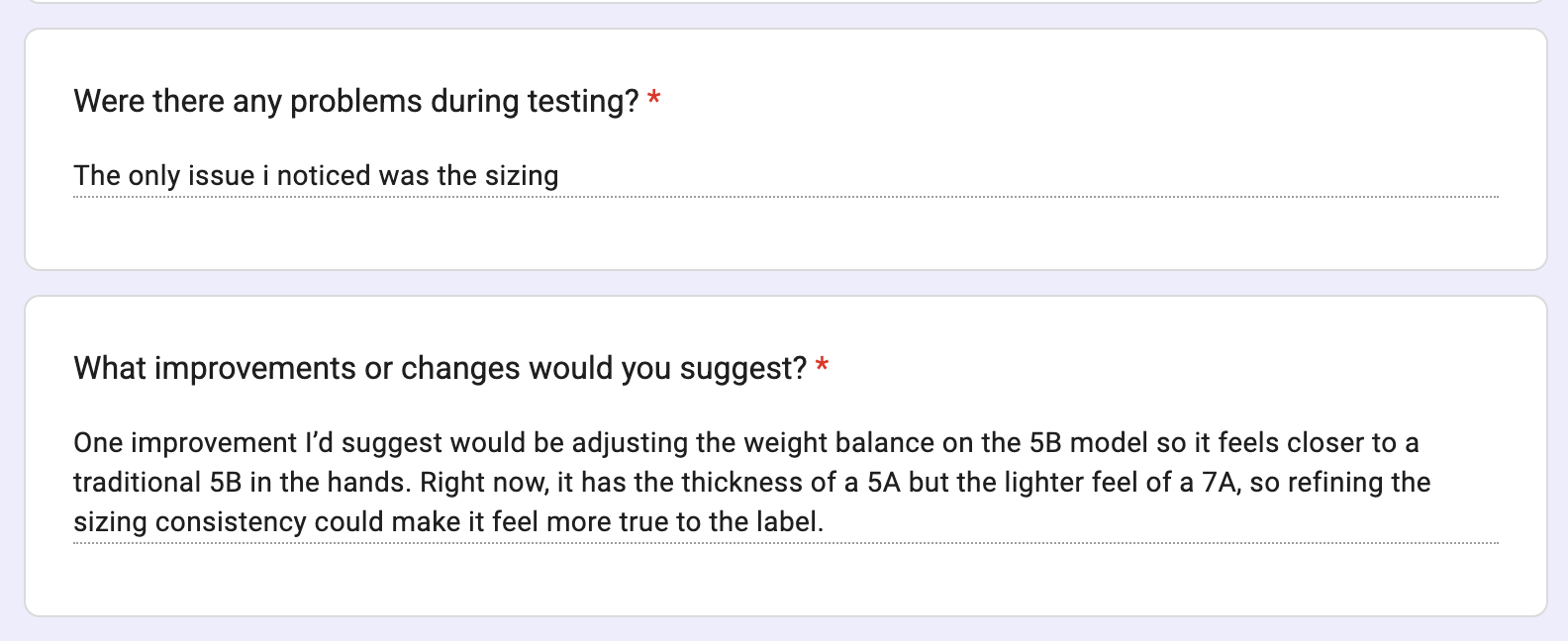
The testing results provide valuable insights into real-world performance, especially in terms of:
- Stick weight consistency
- Balance point / center of gravity
- Acoustic response
- Feel and rebound stability
This feedback is essential for optimizing custom drumstick design for both professional and OEM production.
1. Target Specification vs Real Testing Requirement
Based on customer and drummer expectations, the target specification for the maple model is:
- Length: 406mm
- Diameter: 15.1mm (5B type structure)
- Target weight: 54–55g per stick
- Material: Maple (Hard Maple preferred)
However, testing results show a key challenge:
Even with hard maple selection, achieving 54–55g per stick at this geometry is extremely difficult
Why Weight Cannot Be Easily Achieved in Maple
Maple wood has a naturally lower density compared to hickory.
Even when using high-density hard maple:
- Density variation is limited
- Internal grain structure is lighter
- Moisture content changes affect stability
Result:
✔ Same size as hickory model
❌ Still significantly lighter in weight
❌ Cannot consistently reach 54–55g target
2. Balance Point & Center of Gravity Issues
Testing also highlighted a second important issue:
The stick does not feel balanced in the middle and lower section.
Observed problems:
- Slightly “hollow” attack feel
- Balance point too forward or inconsistent
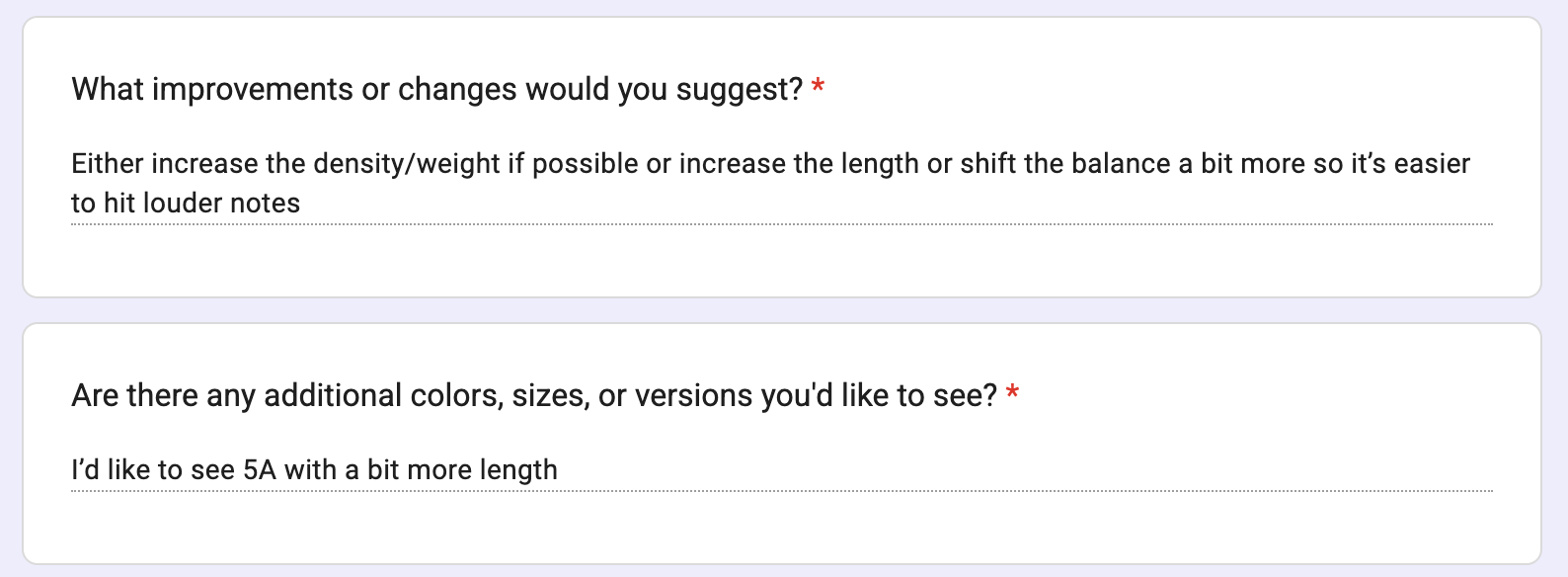
- Less stability during louder dynamic hits
- Perceived difference compared to Promark 7A / Vater 7A
Engineering Analysis
These issues are mainly caused by:
- Uneven density distribution in maple
- Length-to-weight mismatch
- Tip-to-butt ratio not optimized
- Insufficient mass in lower section
3. Optimization Solutions We Proposed
To solve these problems, we developed several engineering directions:
Solution 1: Redesign Weight Distribution
- Adjust taper geometry
- Increase butt-end density
- Modify internal balance point toward rear section
Requires:
- New mold tuning
- Multiple sampling rounds
- Player testing cycles
Solution 2: Material Substitution (Fastest Solution)
The fastest and most stable solution:
Switch from maple → hickory
Benefits:
- Higher natural density
- Better rebound consistency
- Easier to reach 54–55g target
- More stable balance performance
4. Cost Challenge of Material Upgrade
However, switching to hickory introduces:
- Higher raw material cost
- More machining resistance
- Slightly longer production time
- Increased finishing difficulty
Therefore, cost control becomes critical for commercial viability.
5. Cost Optimization Strategy (Important)
To balance performance and cost, we proposed a hybrid optimization model:
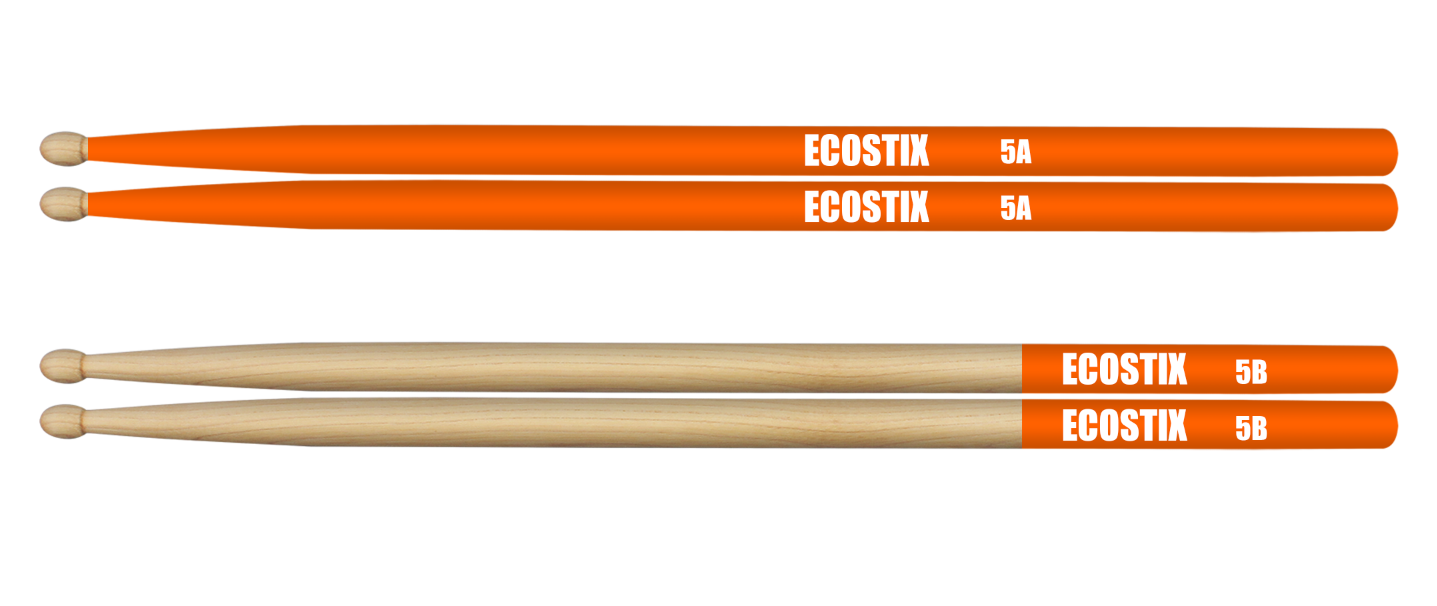
A. Logo Optimization
- Reduce full-wrap printing
- Use single-color or 1–2 color logo
- Optimize vertical placement
B. Coating Adjustment
- Switch from full heavy coating → light matte finish
- Reduce paint thickness
- Maintain natural wood feel where possible
Result:
✔ Lower production cost
✔ Improved balance feel
✔ Better weight control
✔ More commercially viable product
6. Key Engineering Conclusion
From testing and feedback, we conclude:
Maple limitation:
Even hard maple cannot reliably achieve:
- 406mm length
- 15.1mm diameter
- 54–55g target weight
- Stable 5B-style balance
Best technical direction:
- Either redesign balance system
- Or switch to higher density wood (hickory)
- Or combine both + cost optimization strategy
Why This Matters for OEM Production
For OEM/custom drumstick manufacturing, this case shows:
- Small changes in wood density significantly affect performance
- Balance point is as important as weight
- Visual design (logo/finish) directly impacts cost structure
- Engineering + cost control must be optimized together
Final Summary
Achieving professional drumstick performance requires a balance of:
- Material science
- Structural engineering
- Player feedback
- Cost optimization
While maple offers light feel and flexibility, hickory remains the most stable solution for achieving consistent weight, balance, and professional-grade performance standards.
Through combined optimization of material + balance design + surface treatment, it is possible to create a drumstick that meets both performance expectations and commercial requirements.